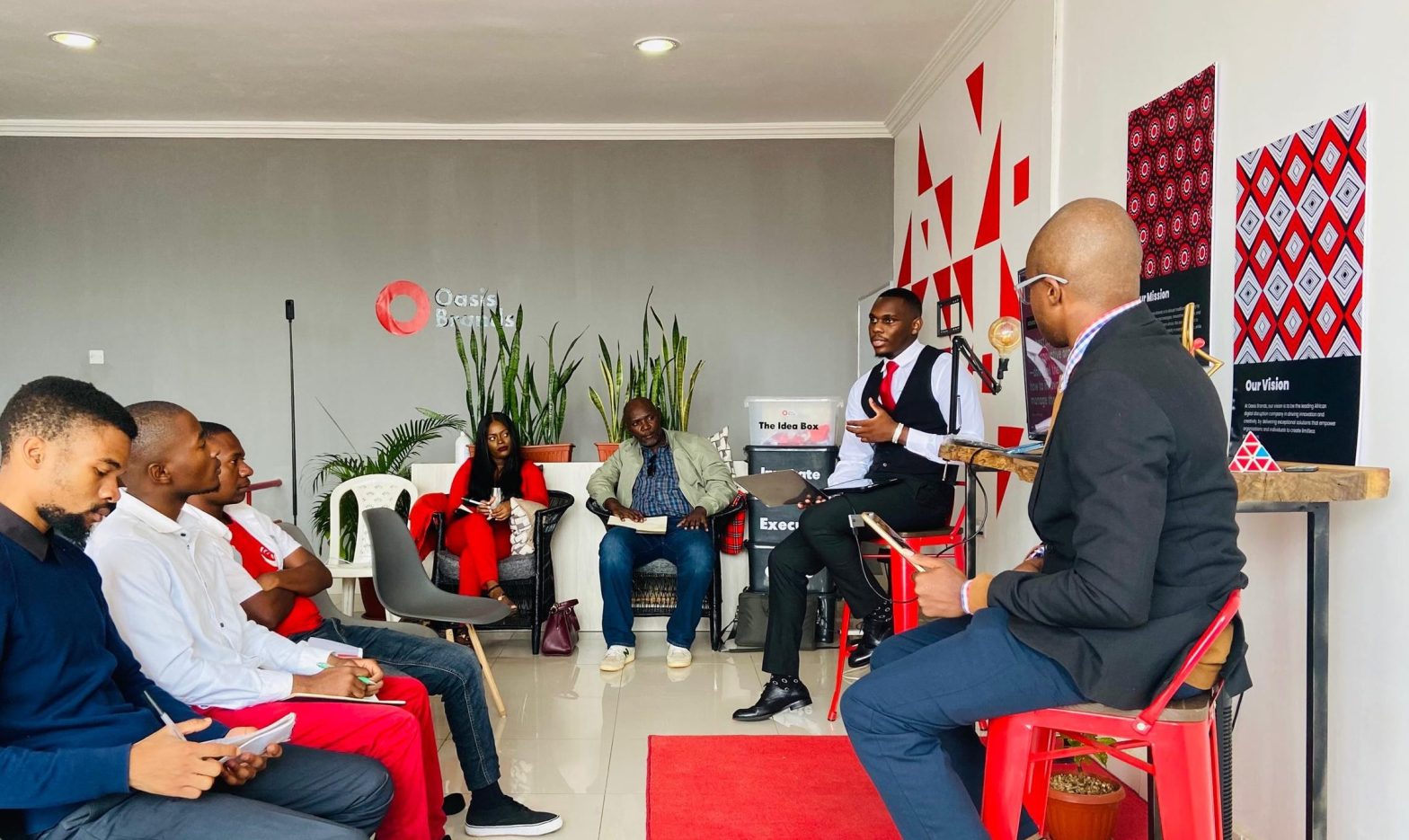
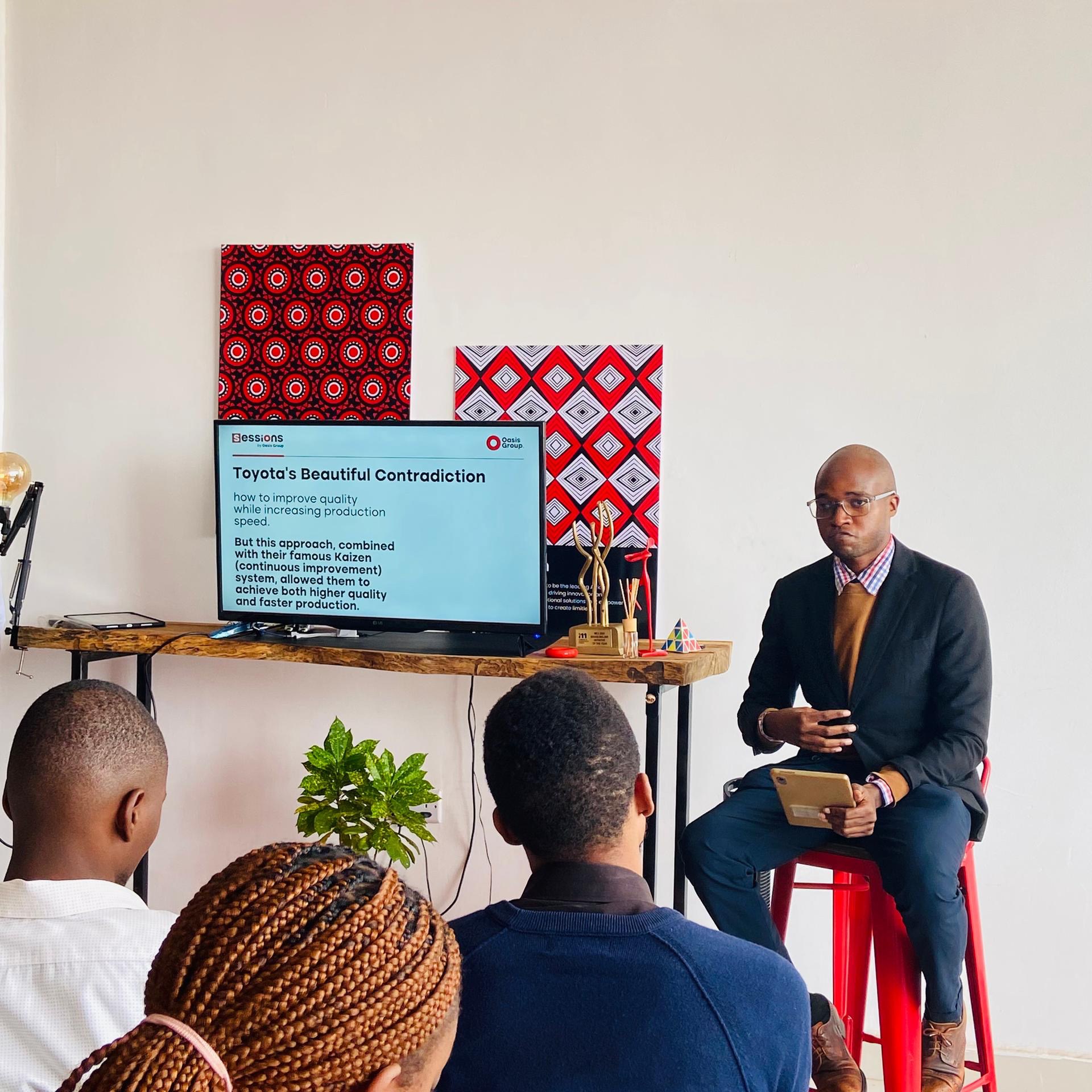
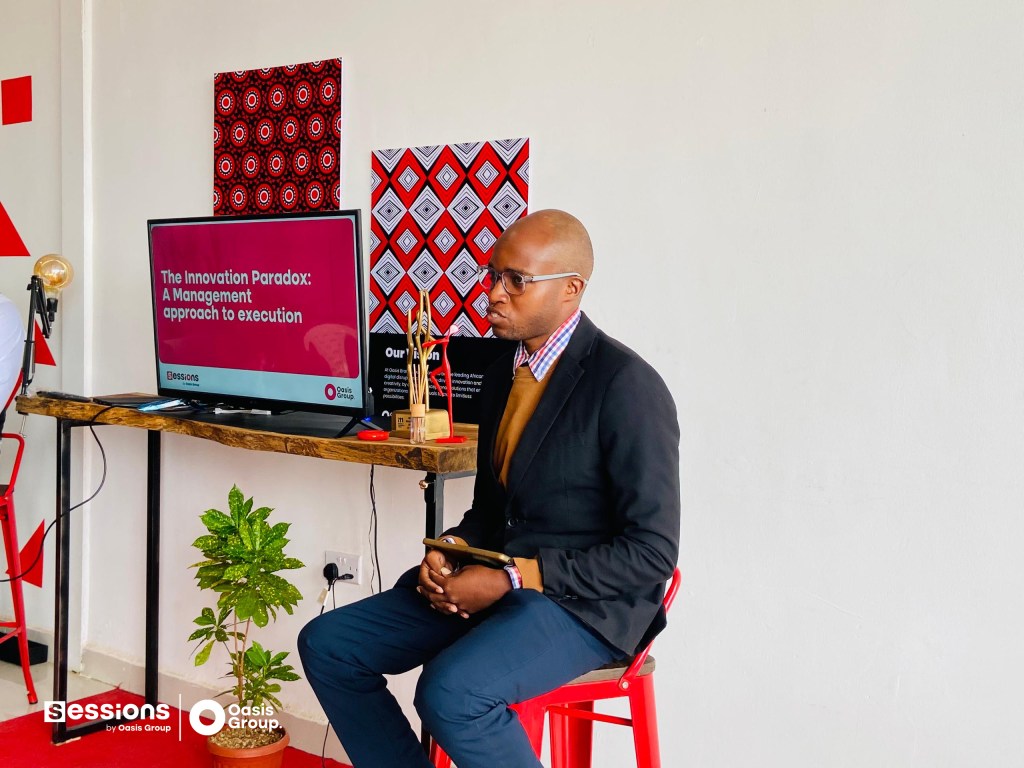
Innovation. It’s the magic word in every industry—the spark that ignites new businesses, disrupts old markets, and transforms the way we live and work. But if innovation is so celebrated, why do so many great ideas never make it past the whiteboard? Why do entrepreneurs, businesses, and policymakers struggle to turn inspiration into execution? Our esteemed presenters Ian Khonje and Perlton Edwin took us through an enlightening presentation on this very topic.
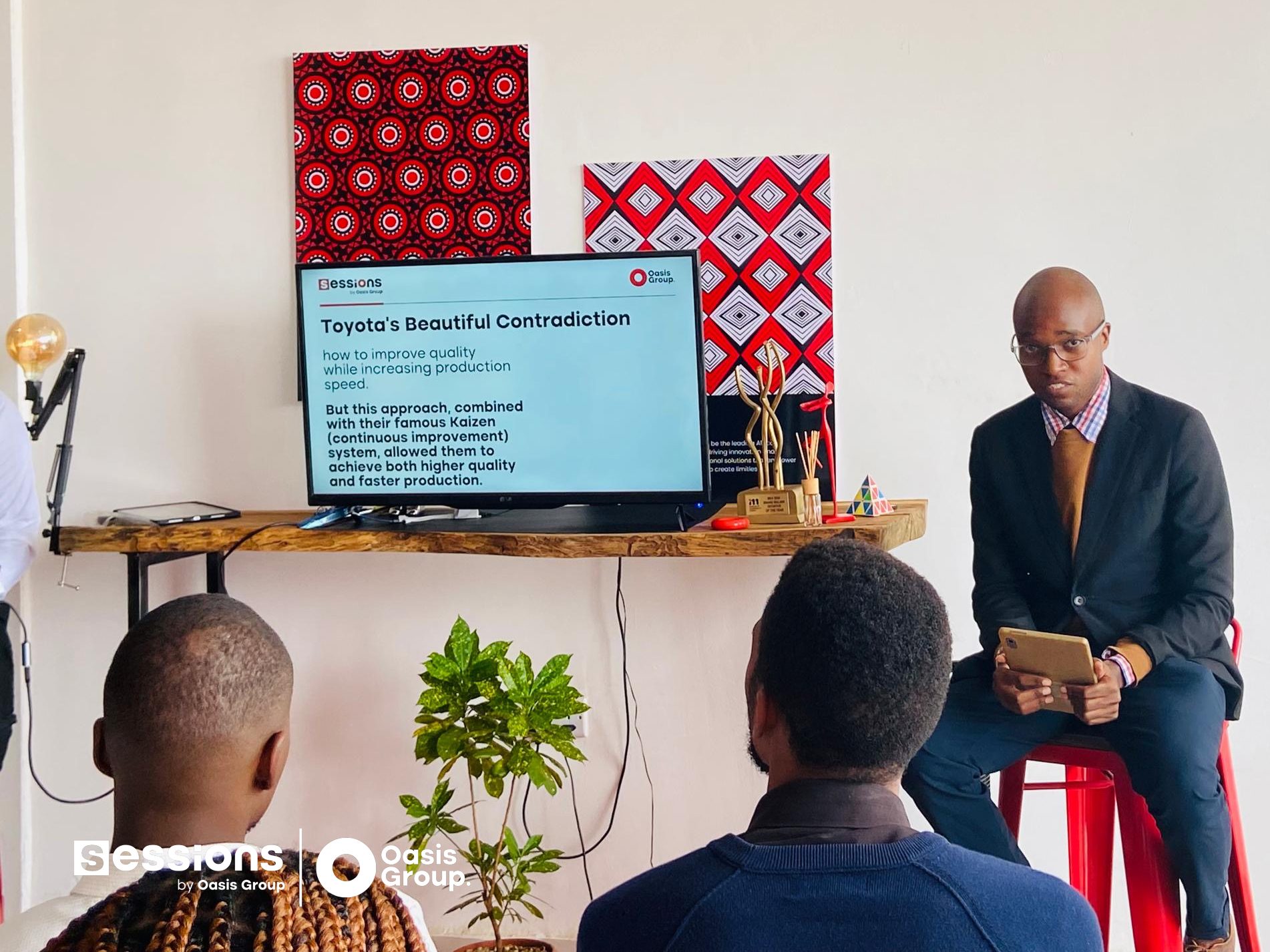
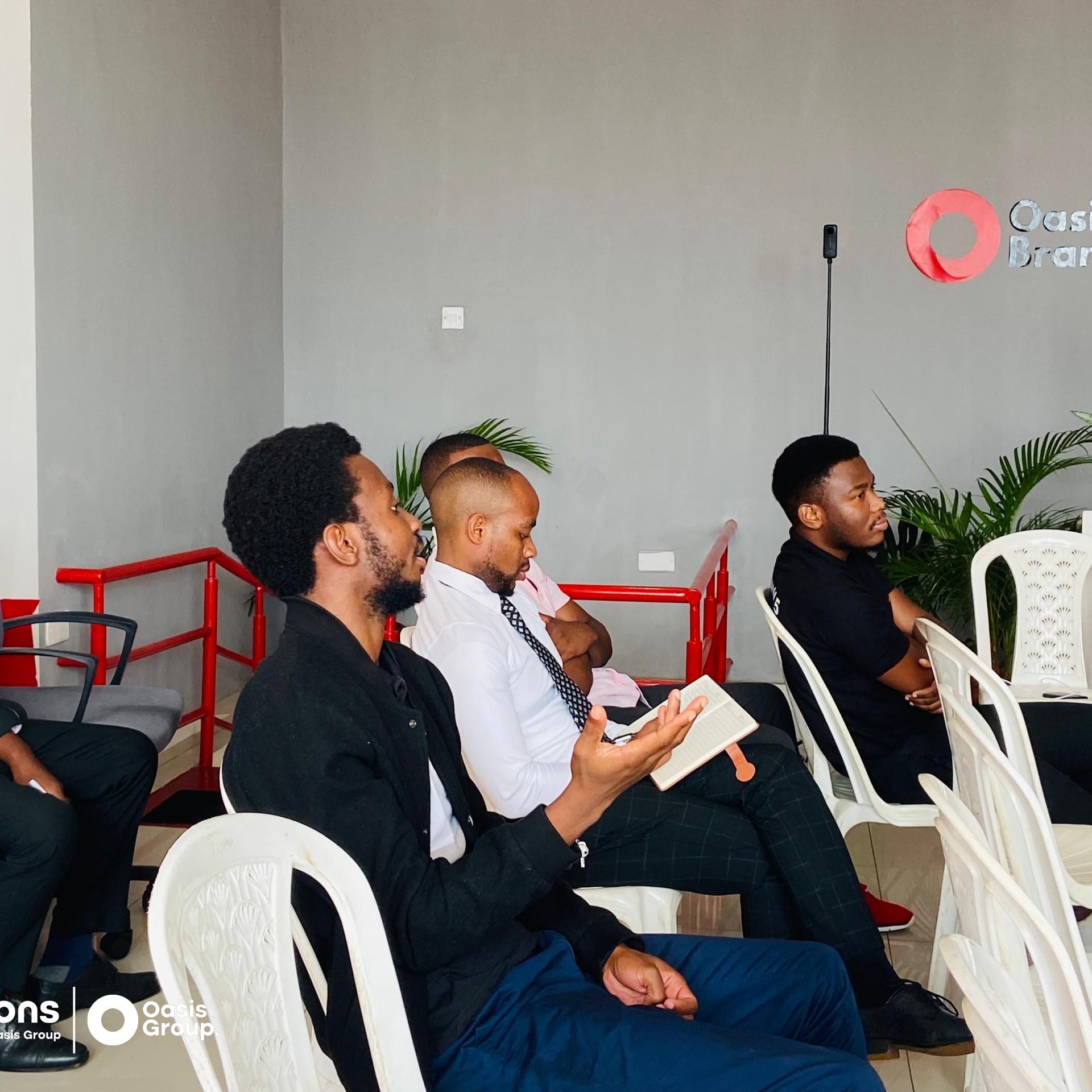
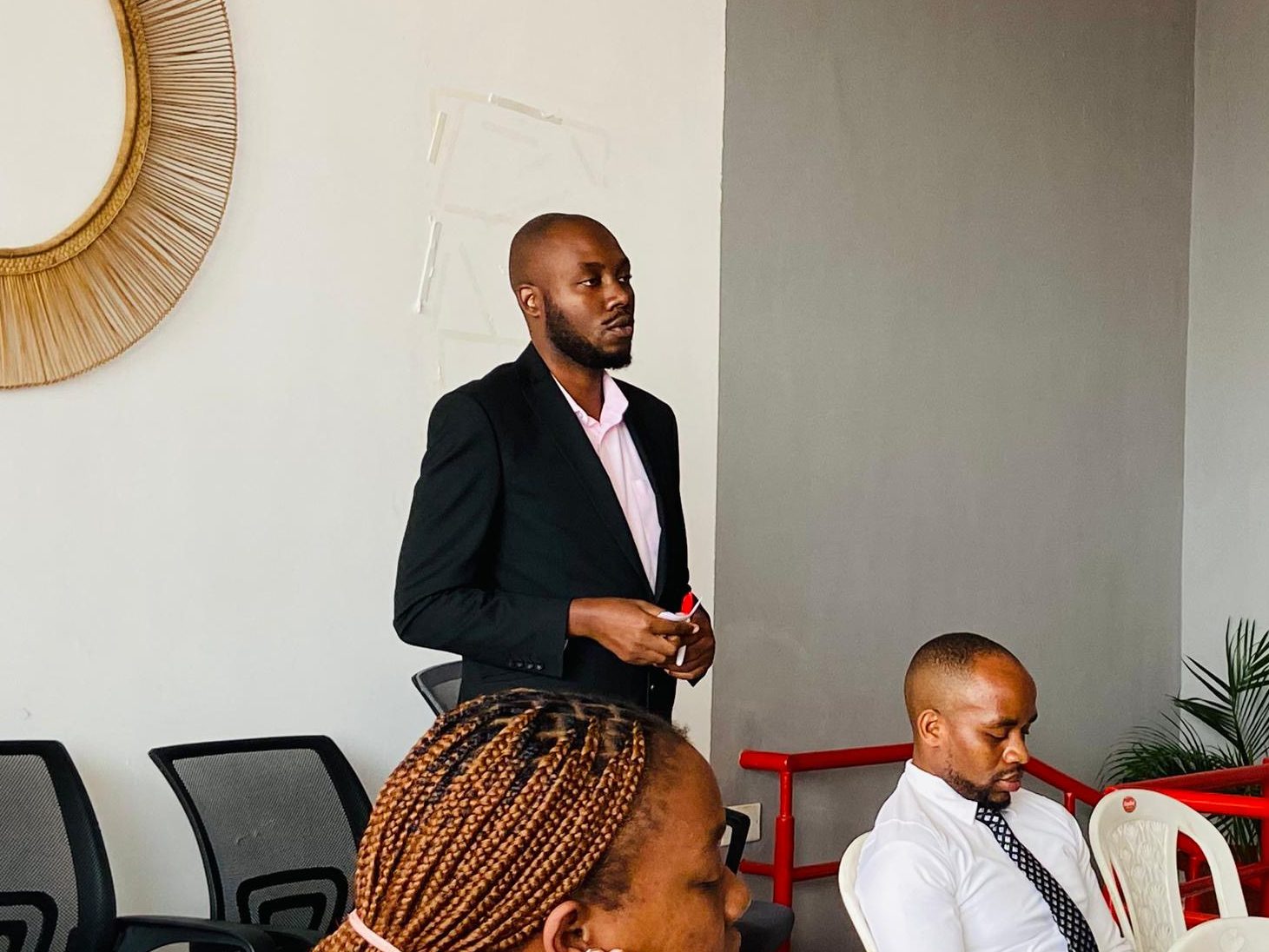
The Innovation paradox—the gap between big ideas and real-world implementation—was at the heart of the second edition of the Sessions by Oasis which was hosted at the Oasis in Lilongwe on Friday, the 31st of January 2025. It wasn’t just another corporate workshop. It was a gathering of creatives, economists, policymakers, procurement specialists, development experts, and academics—all coming together to dissect the barriers that hold innovation back and explore how to break through them.
The Reality Check:
At Oasis, we started with the fundamentals: innovation isn’t just about ideas—it’s about execution. Having a groundbreaking concept means nothing if there isn’t a system in place to nurture, test, and scale it.
We explored the four pillars of innovation management:
- Capabilities – The talent, skills, and resources needed to bring an idea to life.
- Structures – The organizational frameworks, policies, and decision-making processes that support innovation.
- Culture – A mindset that encourages risk-taking, experimentation, and creative problem-solving.
- Strategy – The deliberate choices that balance short-term goals with long-term innovation.
We also introduced The 70-20-10 Rule—a guide used by some of the world’s most innovative companies:
70% of efforts go to refining and improving what already works.
20% explore adjacent opportunities, stretching into new markets and applications.
10% is for radical, transformational innovation—the bold, high-risk moves that create entirely new industries.
But even with the right structure in place, innovation doesn’t just happen. Why? Because execution is the battlefield where great ideas live or die.
The Debate: What the Experts Had to Say
Once we set the stage, we handed the mic over to the experts, and the conversation got real.

Yes, there’s progress—the Innovation and Entrepreneurship Bill and new SME frameworks are in motion. But policies on paper don’t always translate into action. Bureaucracy, slow decision-making, and rigid systems mean that many promising ideas stall before they ever get a chance.
Dingase DINDI, Policy AND INNOVATION EXPERT
There was also discussion around The Innovator’s Dilemma—a phenomenon where businesses struggle to balance their core operations with investing in future innovations. Many companies fear disrupting themselves, so they cling to what’s familiar, missing the chance to evolve.
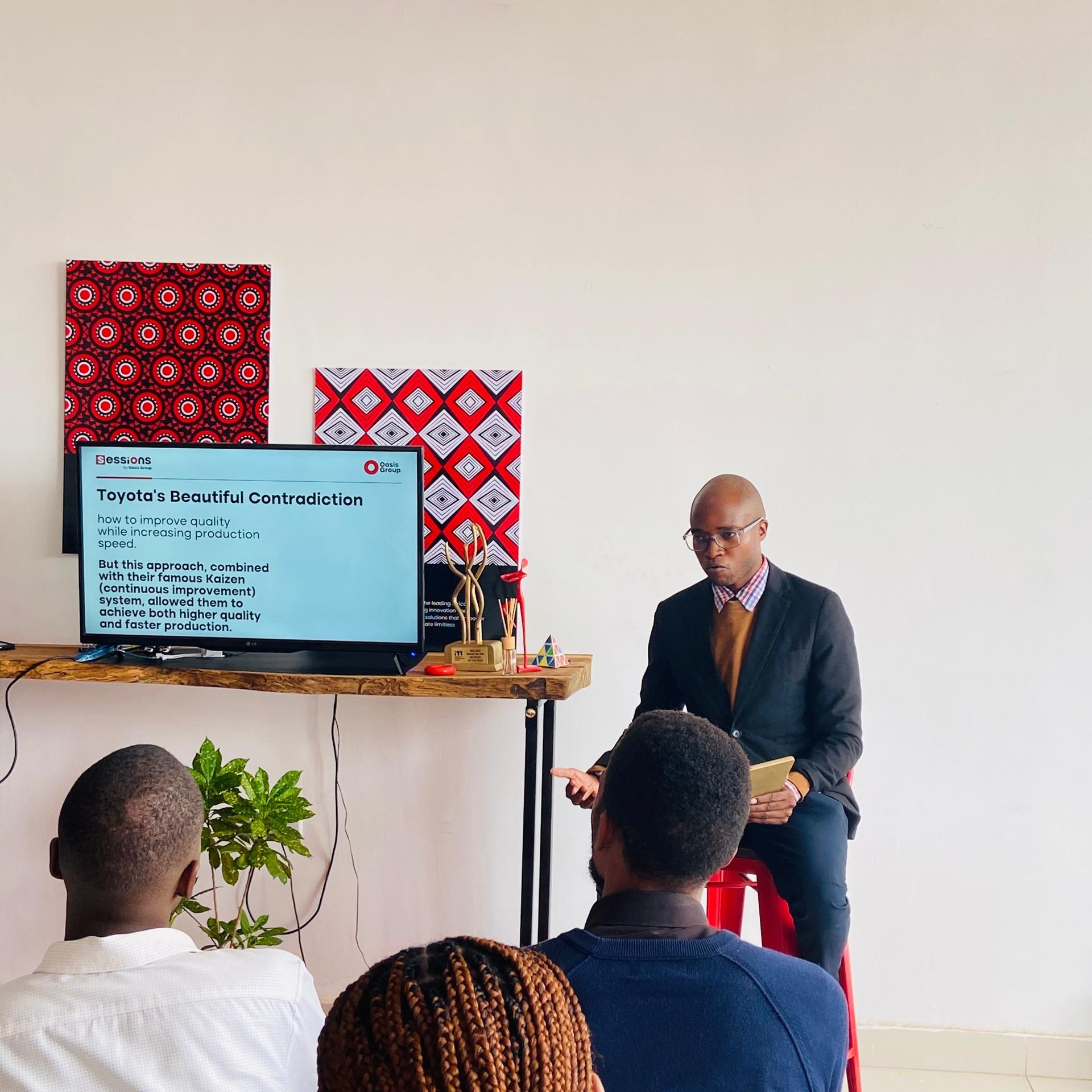


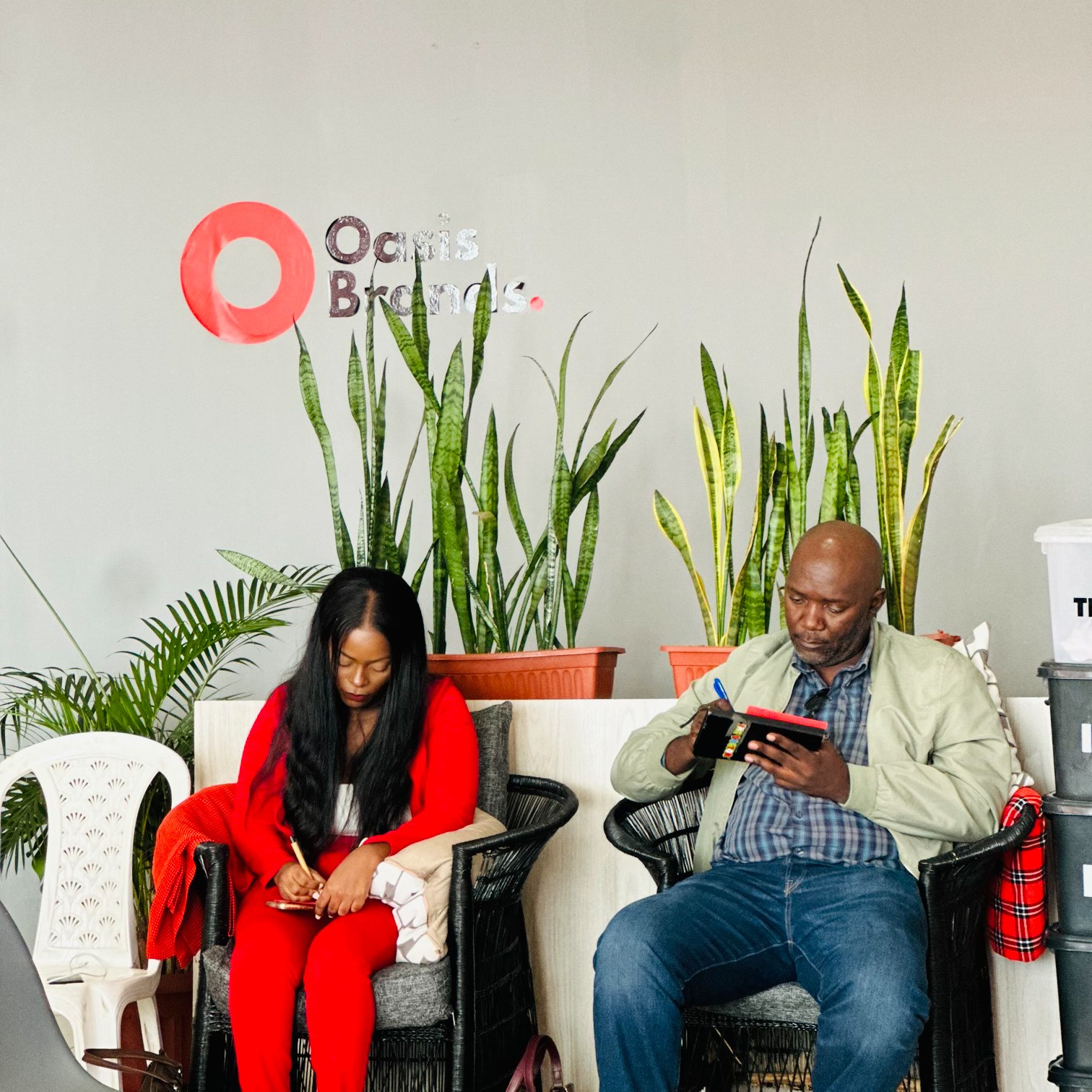
Scaling too fast can be just as dangerous as not innovating at all.
Peter Chirwa, Marketing and Economics expert
Growing too quickly without the right foundation can lead to burnout, inefficiencies, and financial collapse. Instead, he advocated for controlled, strategic growth—scaling at the right pace, with the right systems in place.
The Breakthroughs:
By the end of the session, one thing was clear: if we want innovation to thrive, we need to fix the system that supports it.
Key Takeaways from the Discussion:
Policy needs to be action-oriented. It’s not enough to have an Innovation Bill—there needs to be active implementation and support for startups and businesses working on innovative solutions.
Scaling smartly is better than scaling fast. Innovation isn’t a race. Sustainable growth is built on careful planning, resource management, and strategic decision-making.
Innovation isn’t just for tech—it’s for everyone. Whether in fashion, agriculture, finance, or media, every industry needs to rethink how it approaches problem-solving and progress.
A culture of experimentation is key. If businesses and governments fear failure, they will never innovate. Safe spaces for experimentation and learning must be built into organizations.
Why We Host the Oasis Innovation Sessions


So, why do we do this? Why bring together different industries, thinkers, and policymakers to have these conversations?
Because innovation isn’t just about individuals—it’s about ecosystems. Ideas don’t exist in isolation; they need the right environment to grow.
The Sessions by Oasis are designed to be a hub for bold conversations, a space where creativity, strategy, and execution come together. In Malawi and across Africa, we have no shortage of brilliant minds and groundbreaking ideas. But without collaboration, discussion, and action, those ideas may never reach their full potential.
And this is just the beginning.
 Oasis Brands