
Authored by Joanna Botha, Ian khonje
In the vast and vibrant landscape of Southern Africa, innovation is a beacon of hope, offering transformative solutions to challenges that have persisted for generations. As we gaze into the technological horizon of 2024, several emerging innovations stand out, promising to reshape the trajectory of nations like Malawi. In this blog, Oasis Brands embarks on a journey to explore the intersection of technology and societal progress, with a keen focus on how innovative solutions can be applied in Southern Africa, drawing inspiration from the resilient spirit of Malawi.
In a region where access to advanced resources may be limited, these technologies become not just tools but catalysts for change. From the revolutionary impact of personalized medicine using digital twin technology to the harnessing of customized AI solutions tailored to Southern Africa’s unique needs, and the immersive potential of augmented reality (AR) and virtual reality (VR) in shaping narratives and fostering economic growth – each innovation holds the promise of addressing challenges specific to the region.
1. Personalized Medicine Using Digital Twin Technology
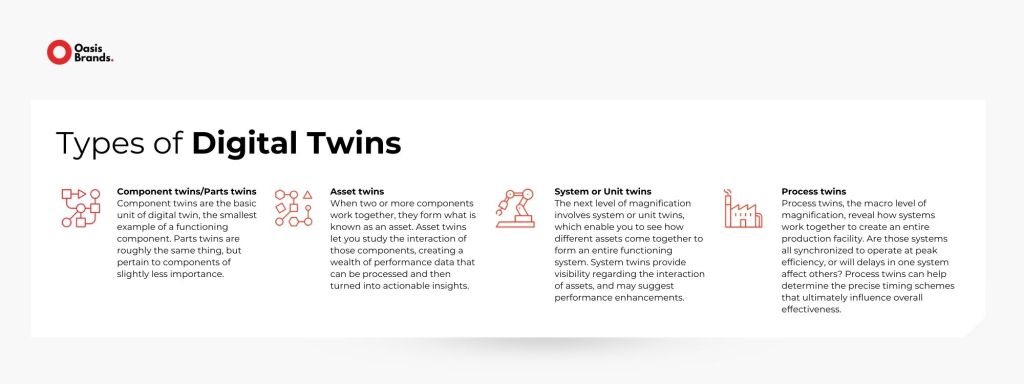
Digital twin technology is a virtual representation of an object or system that spans its lifecycle, is updated from real-time data, and uses simulation, machine learning, and reasoning to help decision-making.

Digital twin technology is transforming healthcare by creating virtual replicas of individual patients. This innovation empowers healthcare professionals in resource-limited regions like Malawi to analyze and predict health outcomes with unprecedented precision. In Malawi, where access to advanced medical resources may be limited, digital twins offer a personalized healthcare approach. By crafting virtual patient replicas, medical practitioners can customize treatment plans. This optimization of resources significantly enhances patient outcomes.
In the ever-evolving landscape of healthcare, personalized medicine stands as a beacon of
innovation, revolutionizing treatment approaches tailored to individual characteristics. Recently, the spotlight has turned to Malawi, a country actively participating in a comprehensive research initiative, the EU-Africa PerMed project. This project delves into the scientific research and policy landscape of personalized medicine (PM) across the African continent. Malawi, alongside countries like Burkina Faso, Ethiopia, Gambia, Senegal, and Zambia, actively contributed to this initiative. Despite varying levels of capacity in genomic research, these nations, including Malawi, demonstrated potential for improvement.
The implementation of personalized medicine in Malawi holds immense promise. By tailoring healthcare strategies to address specific health challenges prevalent in the region, particularly in managing widespread diseases, practitioners can optimize healthcare delivery. Customized treatment plans enable the most effective use of available resources, a critical factor in regions facing constraints.
Malawi’s involvement in the EU-Africa PerMed project positions the country as a pivotal point in revolutionizing healthcare delivery. The research findings indicate a medium to high capacity for personalized medicine and genomic research in Malawi. This places the nation on the forefront of progress, showcasing its potential to lead the way in tailored healthcare solutions.
In regions with limited access to advanced medical resources, like Malawi, the integration of digital twin technology in personalized medicine becomes a powerful tool. Customized treatment plans optimize healthcare delivery, allowing practitioners to make the most effective use of available resources. Emphasizing on improved patient care and health outcomes, this approach becomes a beacon of progress in regions facing resource constraints, showcasing the transformative power of tailored healthcare solutions and potential revolutionary impact of personalized medicine through digital twin technology in Malawi.
2. Harnessing Customized AI Solutions for Sustainable Growth
Artificial Intelligence (AI) has rapidly evolved, bringing sophistication to applications, machine learning, and natural language processing.
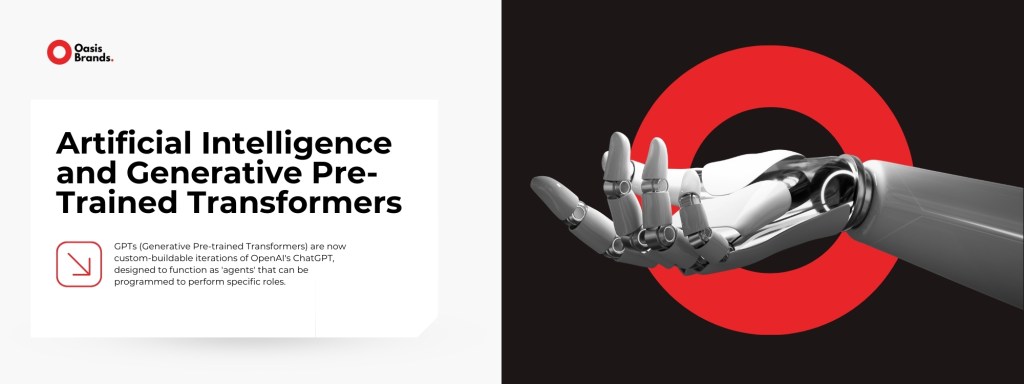
This technological advancement has significantly contributed to improved automation across various industries globally. However, the true potential of AI lies in its tailored implementation to address specific needs, as exemplified in Malawi’s context.
In Malawi, integrating AI into sectors like agriculture and education holds immense potential for driving efficiency and innovation. Customizing Generative Pre-trained Transformers (GPTs) using personal data offers a unique opportunity to enhance the impact of AI in the country. By training models on locally relevant data, such as agricultural practices and educational preferences, GPTs can generate insights and solutions that are specifically tailored to Malawi’s unique challenges and requirements.
For instance, developing GPTs trained on personal data can lead to the creation of smart
farming tools that provide farmers with personalized recommendations based on their specific crops, soil conditions, and local climate patterns. Similarly, in education, personalized learning platforms can be designed to cater to the individual needs and learning styles of students in Malawi. By emphasizing the responsible and ethical use of personal data, these customized GPT models can unlock transformative possibilities, driving sustainable growth and efficiency in Malawi’s emerging technologies.
3. Augmented Reality (AR) and Virtual Reality(VR)
The progression of Augmented Reality (AR) and Virtual Reality (VR) technologies emerges as a pivotal aspect of Malawi’s growth agenda in 2024.
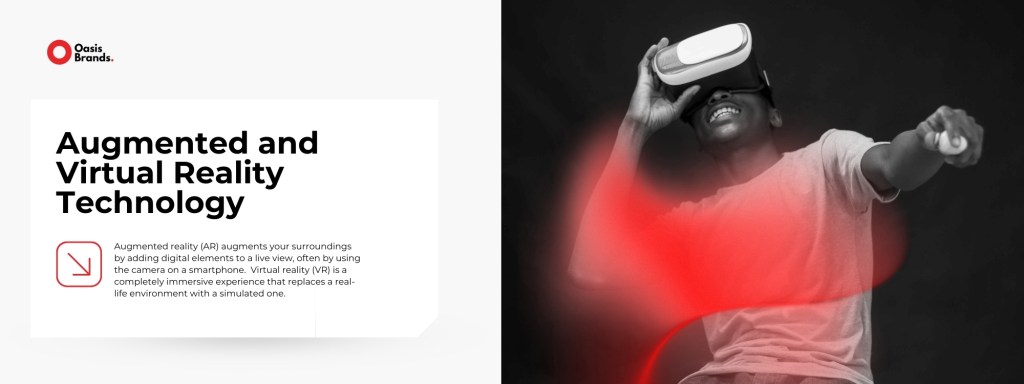
These immersive technologies, extending beyond entertainment, hold the potential to revolutionize education, healthcare, and tourism in the country. In a nation where health literacy is paramount, the utilization of AR brochures powered by AI presents an innovative approach to disseminating information. These interactive brochures, enriched with visualizations of the impact of digital twins and AI, become powerful tools to bridge informational gaps and educate both healthcare providers and the general population about the benefits of personalized medicine.
Great utilisation was shown through the Oasis Brands Virtual Reality Tour where users would explore Malawi’s stunning landscapes, vibrant culture, and unique attractions without leaving their homes. This not only enhances the promotional efforts for tourism but also serves as a compelling example of how AR and VR can directly contribute to Malawi’s economic growth.
The interactive features of the virtual tour, facilitated by AR technology, allow users to engage with the content actively. Whether it’s virtually walking through historical sites, experiencing traditional ceremonies, or interacting with 3D representations of Malawi’s diverse wildlife, the Oasis Brands Virtual Reality Tour goes beyond traditional marketing approaches. By offering a firsthand, immersive experience, it captured the essence of Malawi and entices potential investors and tourists alike.
In essence, initiatives like the Oasis Brands Virtual Reality Tour showcase the transformative power of AR and VR in driving Malawi’s growth agenda. This strategic use of technology not only positions Malawi as a forward-thinking and innovative destination but also opens new avenues for economic development and global engagement.

 Oasis Brands